Product presentation · Confirm configuration with your quotation
KES / Hair removal
MED-230T Portable IPL Machine Manufacturer
MED-230T is the KES portable IPL machine for professional equipment buyers who want a clearly defined handpiece package and a practical purchasing discussion. The published configuration lists one IPL handpiece, with SHR and DPL handpieces optional. Use the model-specific details below to prepare a quotation request, distinguish standard equipment from additions and plan the documentation and receiving checks needed for your order.
View specifications ↓For distributors and professional procurement.
Share your destination market when you enquire.
Share your destination market when you enquire.
Technical specifications
| Model No. | MED-230T |
|---|---|
| Power | 2000VA |
| Handpiece Number | Total 1 (IPL Handpiece) (SHR/DPL Handpiece optional) |
| Energy Density(Fluence) | 1-40J/cm² |
| Spot Size | 12*45mm² |
| Pulse Duration | 1-15ms |
| Pulse | 1P-6P |
| Pulse Repetition Rate | 1-10Hz |
| Cooling | Compressor+Water+TEC+ Air |
| Stand-by Working | Continuously for 12 hours |
| Net Weight | 30KG |
Options and order-specific details should be confirmed in the final quotation.
Start with the portable IPL configuration
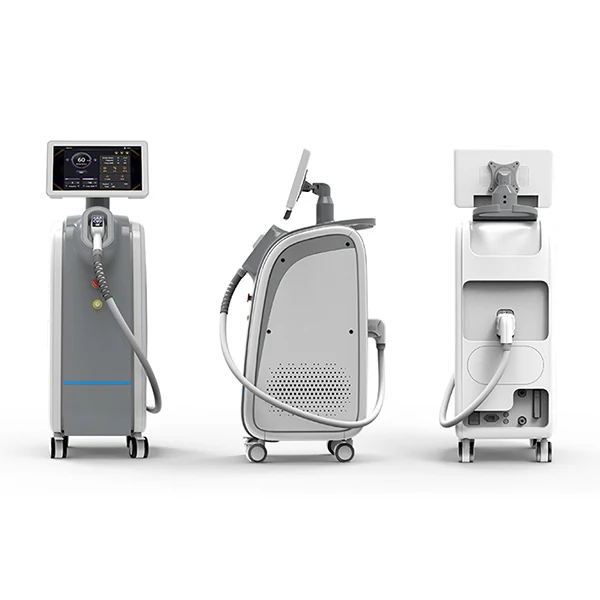
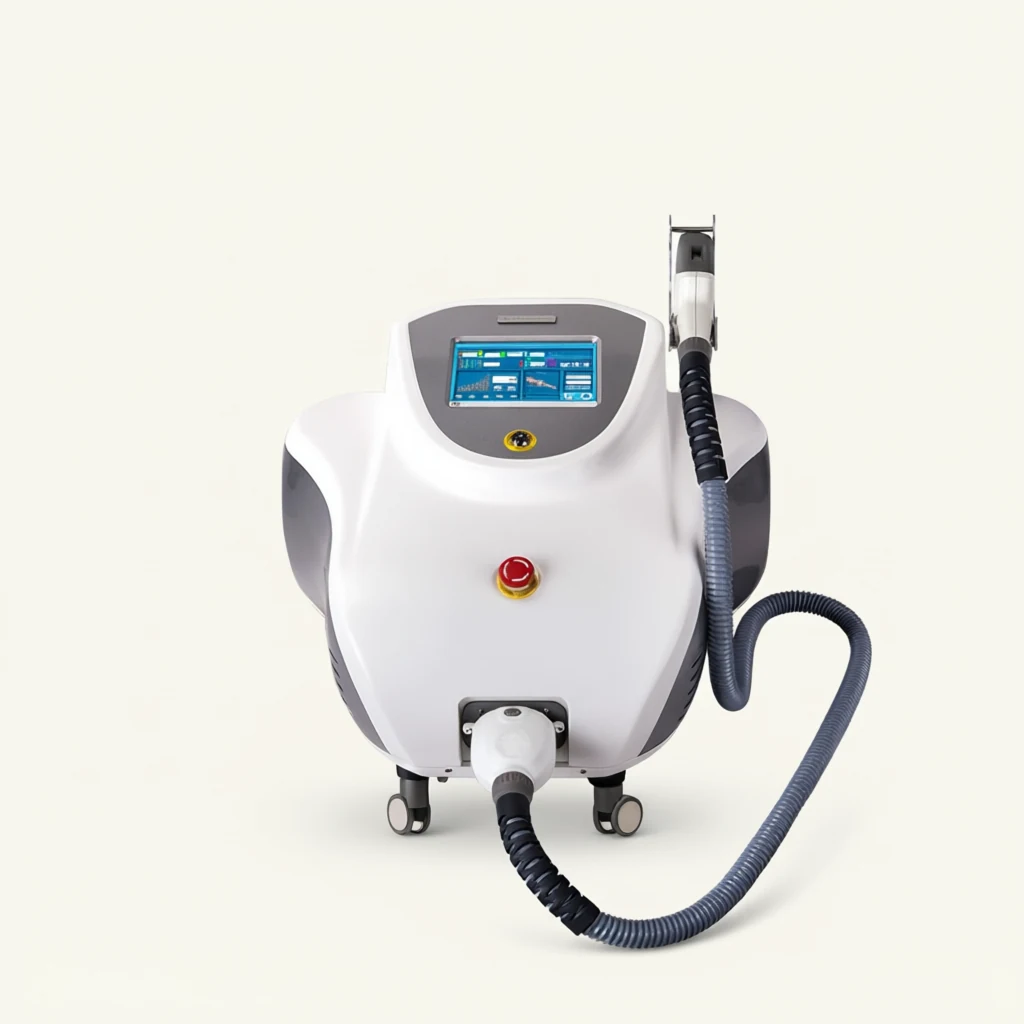
A portable format can be an important purchasing requirement, but it should not be the only item on the specification sheet. For MED-230T, begin with the equipment identity and the package actually being quoted. Ask for current photographs of the cabinet, included handpiece and connections. Request a configuration list that uses the same model name throughout the quotation and supporting documents.
The published net weight is 30kg. Take that figure into account when discussing positioning, storage or movement within your premises. The word portable does not replace a handling assessment or establish that a person should carry the equipment without assistance. Ask for the manufacturer's handling instructions and use the confirmed equipment and package information when planning how the unit will reach its final location.
If you are comparing this model with a floor-standing platform, write down the practical reason for considering each format. That may be your available workspace, receiving arrangements or the organisation of a demonstration area. Ask for the dimensions and clearance requirements applicable to the proposed MED-230T configuration. Do not derive physical measurements from a photograph or borrow dimensions from a different model.
Separate the standard IPL handpiece from optional choices
The handpiece entry specifies a total of one IPL handpiece, while SHR and DPL handpieces are optional. This distinction belongs in the quotation itself. Ask which handpiece is included in the base price, what optional choices are being proposed and whether the quotation represents an alternative configuration or additional supplied items. Clear wording prevents a photograph from being mistaken for a packing list.
For each proposed handpiece, request its identifier, compatible accessories and the instructions that apply to it. Ask whether the documentation distinguishes the controls and care requirements for the supplied configuration. If you are a distributor, make sure your local product description uses the same distinction between included and optional items. Buyers should be able to understand the offer without interpreting abbreviations on their own.
Before approving an order, check that the accessory schedule agrees with the commercial proposal. If a discussion changes from IPL alone to an optional configuration, request a revised quotation and list of supplied items. Keep the earlier version for reference but identify the approved version clearly. This is a small administrative step that can prevent a larger disagreement when the shipment is unpacked.
Review fluence, pulse and repetition entries as equipment data
Published energy density is 1–40J/cm². Pulse duration is 1–15ms, the pulse entry is 1P–6P and pulse repetition rate is 1–10Hz. These values describe the published MED-230T specification. They are not a treatment protocol or a recommendation to select the upper end of any range. Professional operation requires the relevant instructions, training and assessment for the intended setting.
When reviewing the controls, ask how the pulse entry is represented on the interface and which settings are available with the quoted handpiece. Request the operating documentation rather than guessing how separate ranges interact. A technical demonstration can show control names and navigation, while the written instructions should explain the conditions and limitations relevant to the delivered equipment.
The spot-size entry is published as 12 × 45mm². Retain that published notation when discussing the specification and ask for a dimensional drawing or explanation if your purchasing team needs a more detailed interpretation. Do not calculate treatment speed or appointment capacity from a nominal spot figure and repetition range. Such a calculation would leave out the conditions that determine actual professional use.
Ask the right questions about power and cooling
The specification labels power as 2000VA. Keep the unit VA in your comparison rather than rewriting it as a different kind of output measurement. Ask for the complete electrical requirements for your destination, including the supplied version and connection information. Your site team needs the installation requirements for the actual unit, not just a headline figure taken from a product summary.
Cooling is listed as compressor, water, TEC and air. For procurement, ask what checks and routine care the delivered system requires, which environmental conditions apply and how the relevant instructions are provided. A list of cooling components does not establish unrestricted use in every room or a particular contact temperature. Those points should be addressed through the correct technical documentation.
The source includes a standby-working entry of continuously for 12 hours. Treat that as the stated standby description, not a guarantee of twelve hours of treatment at any selected output. Explain your planned working pattern when requesting technical clarification, then ask which operating and maintenance conditions apply. This gives the supplier a concrete question without turning a catalogue entry into an unsupported service-capacity promise.
Build a receiving plan for a compact professional device
Ask for packed dimensions, gross weight and the packing arrangement before booking freight. The 30kg net weight does not include a complete description of the shipment. Confirm whether the handpiece and accessories are packed with the cabinet, how the contents are identified and which visible checks should be made at receipt. Share that information with the person responsible for accepting the delivery.
For the final equipment location, request a drawing or confirmed measurements, connection positions and any required clearance information. Review the support surface, access and cable route with the appropriate person at your premises. Avoid choosing a position based only on the portable product label. A useful room plan depends on the actual dimensions and installation instructions supplied for the order.
Create an acceptance record that lists the model, handpiece, accessories and documents expected. Ask how missing or damaged items should be reported and what photographs or identifiers are needed. Define these steps before dispatch. The aim is to make receipt a straightforward comparison between the approved configuration and the delivered contents, with a clear process for resolving any discrepancy.
Prepare your distributor or OEM enquiry around the package
A distributor enquiry should explain the destination market, intended quantity and whether the first purchase is for evaluation, demonstration or resale. If you need several configurations, identify each one separately. Ask for commercial terms tied to the IPL base package and any optional handpiece arrangement. A single blended price can make it difficult to understand what future repeat orders would contain.
For a branding discussion, state the requested logo, packaging language and product-information requirements. Ask which changes can be considered, what approvals are needed and how they affect order conditions. Keep these as enquiry requirements until they are confirmed. Neither a portable format nor a product name establishes that a particular cabinet, interface or software customisation is available.
Request a consistent way to identify the approved version of the equipment and accompanying materials. Your sales, purchasing and service colleagues should be able to match a customer-facing description to a configuration reference. If a proposal is revised, update the accessory schedule and product description together. This is especially important when optional handpieces are part of the commercial discussion.
Evaluate documentation and ownership costs before ordering
Ask for the current instructions and the documents needed for your purchasing process and destination. Review them against the exact MED-230T configuration being offered. If an importer or local adviser requires particular information, include that requirement early. A general company statement should not be treated as confirmation that every document needed for your transaction is already available or applicable.
To understand ownership costs, request separate information about replacement handpieces or accessories, routine maintenance items, shipment and applicable support terms. Avoid making a cost-per-appointment estimate from the catalogue alone. The practical costs for your organisation depend on the package purchased, local arrangements and the terms agreed with the supplier. Record the assumptions behind your purchasing comparison.
Before placing the order, ask who will handle technical enquiries, what information is needed to identify the unit and how service requests are submitted. Confirm any training or handover arrangements in writing. A precise MED-230T purchase record should connect the machine, included handpiece, optional items, documentation and support agreement so that the team receiving it knows exactly what has been ordered.
Before you enquire
Questions, answered.
Which handpiece is standard on MED-230T?
The published configuration lists one IPL handpiece. SHR and DPL handpieces are described as optional. Ask the supplier to identify the exact handpiece arrangement in your quotation and list every supplied item. If an optional configuration is proposed, confirm whether it replaces the base arrangement or adds items, and request a revised packing schedule before approving the purchase.
Does portable mean the device is lightweight enough to carry freely?
The published net weight is 30kg. Plan handling and positioning using the manufacturer's instructions and your own site assessment. Request packed weight and dimensions separately for delivery planning. The portable product description is not a lifting instruction, and it does not remove the need to consider the route, support surface and people or equipment required to move the unit appropriately.
What timing ranges are published?
The specification lists pulse duration at 1–15ms, pulse at 1P–6P and repetition rate at 1–10Hz. These entries are equipment data, not settings to use for a particular person. Ask how the controls relate to the supplied handpiece and request the appropriate operating documentation. Do not assume that every maximum can be selected together in every mode.
What does the 2000VA entry tell a buyer?
It is the published power entry for MED-230T and should retain its stated unit in a comparison. It does not replace the full electrical installation requirements. Ask which electrical version is offered for your destination and request the connection and site requirements. The person responsible for your installation should review that information before the equipment is delivered.
How do I compare MED-230T with another IPL offer?
Compare the actual supplied handpieces, documented ranges, accessories, room requirements and commercial terms. Keep optional equipment separate from the base package. Ask each supplier to answer the same purchasing questions and identify the model on every response. You can use the hair-removal category to organise your shortlist, then contact KES with a model-specific enquiry and the requirements that matter to your organisation.
Keep exploring
Explore category →In the same collection.
Your next equipment project
Let’s build your shortlist.
Tell us your market, preferred model and configuration questions.