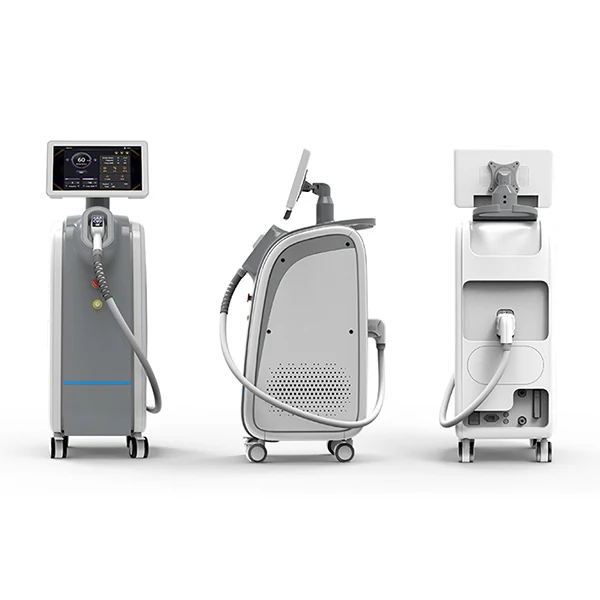
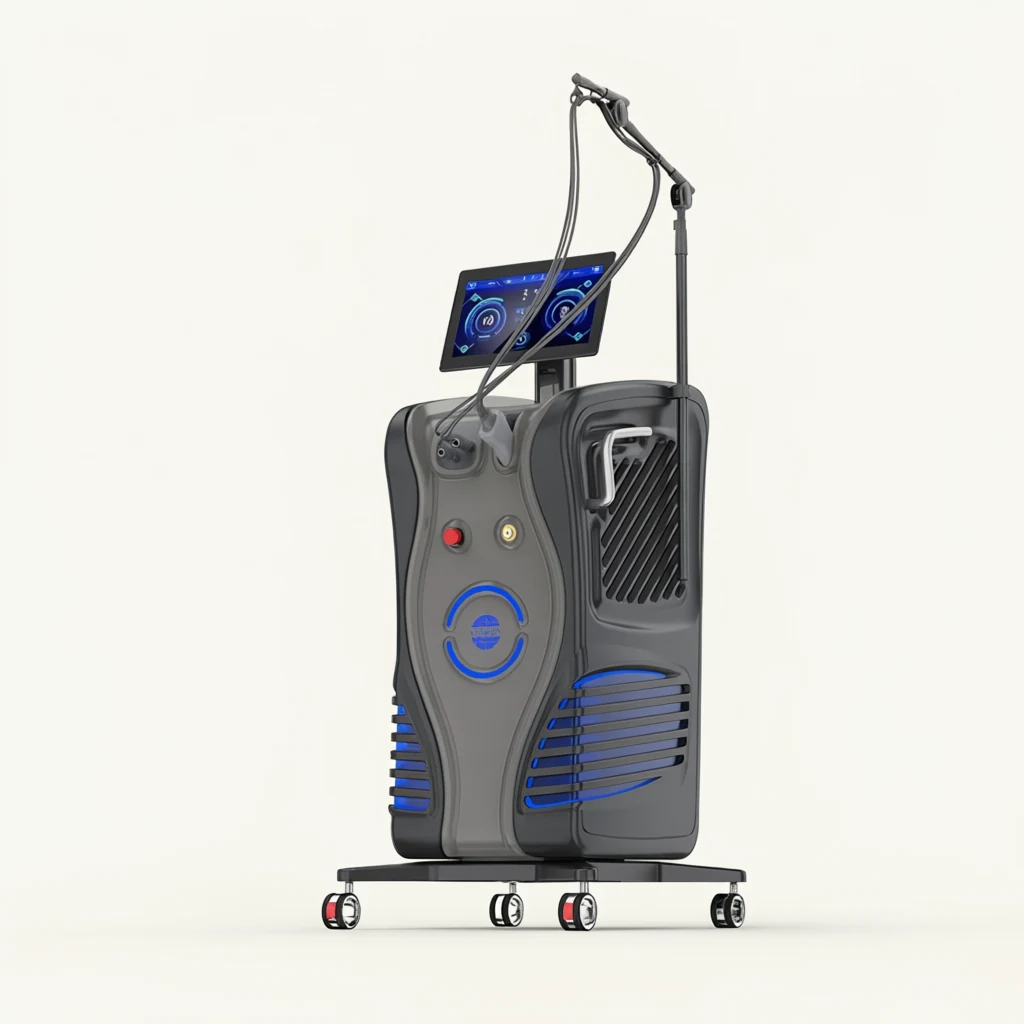
Product presentation · Confirm configuration with your quotation
KES / Hair removal
MED-900 Hair Removal Laser Manufacturer
MED-900 is the KES hair removal laser listed with 755nm and 1064nm wavelengths. Its published specification also includes a 2000W power entry. For professional buyers and distributors, those details establish a starting point for a configuration-specific enquiry. Request the complete technical schedule, supplied accessories and relevant documentation before comparing commercial proposals or approving an equipment purchase.
View specifications ↓For distributors and professional procurement.
Share your destination market when you enquire.
Share your destination market when you enquire.
Technical specifications
| Wavelength | 1064nm 755nm |
|---|---|
| Power | 2000W |
Options and order-specific details should be confirmed in the final quotation.
Keep the MED-900 identity at the centre of the enquiry
A hair removal laser shortlist can include several technologies and very different equipment packages. Identify MED-900 explicitly when requesting information from KES. Include the product link and ask that the model name appear on the quotation, accessory schedule and technical response. This helps everyone involved distinguish the proposed unit from another product with overlapping wavelength descriptions or a similar cabinet appearance.
Explain why your organisation is evaluating the equipment. A distributor may be considering a demonstration unit, while a purchasing manager may be assembling a proposal for a specific site. Give the destination and business context, then list the questions needed for your next decision. A focused request is more useful than asking for a price without identifying the documents or configuration you need.
Ask for current photographs and a specification schedule that apply to the unit being offered. If a demonstration uses a different configuration, request a written explanation of the differences. Keep all versions of the proposal identifiable. Your final purchasing record should connect one model, one agreed package and one set of commercial terms rather than a collection of loosely related catalogue details.
Review the wavelength entries without extending their meaning
The MED-900 specification lists 1064nm and 755nm. Preserve both entries in your technical comparison and ask how the quoted configuration implements them. Request information about the supplied delivery components, selection controls and documentation relevant to the offered unit. Do not assume an accessory arrangement or a particular switching method from the wavelength list alone.
A wavelength entry is equipment information, not a complete clinical suitability assessment. It does not establish that the product is appropriate for every person or that it will produce a particular result. Keep those questions within the relevant professional review and local requirements. The purchasing discussion should establish what documentation is available for the exact device and how your organisation will evaluate it.
If your internal specification requires a particular wavelength-related function, describe the requirement and ask for written confirmation. Avoid copying a feature from another laser merely because the same wavelength appears in its brochure. Use a comparison field for the published entry and a separate field for the implementation details still awaiting confirmation. That approach preserves the distinction between known information and an assumption.
Clarify the 2000W power entry and request missing parameters
The published power entry is 2000W. Keep that label intact until the supplier provides the technical definition and conditions needed by your engineering team. Do not reinterpret it as a specific optical-output measurement, combine it with unrelated figures or treat it as a forecast of treatment speed. Request the complete electrical and output specification for the configuration in your quotation.
Ask for the parameters your purchasing review requires, including their units, measurement conditions and applicable modes. Where a value has not been confirmed for the offered unit, record it as an open question. A comparison sheet is more reliable when it shows a genuine information gap than when it contains a plausible-looking number borrowed from a similar device or an unrelated sales listing.
If a supplier response updates the configuration, request a revised schedule and ensure the commercial proposal uses the same revision. Technical clarification should not remain detached in a chat message while the purchase order refers to an older package. Ask your technical reviewer to identify which answers are essential before approval and which can be resolved as part of the agreed handover documentation.
Make the delivery components part of the commercial offer
Request an itemised list of handpieces, delivery components, cables and accessories supplied with MED-900. Ask for each item's identifier and whether it is standard, optional or separately priced. Photographs can help your team recognise the equipment, but they should support the written schedule rather than replace it. The contents of the order need to be explicit enough for a receiving check.
For an equipment demonstration, ask to see the components included in the proposed package and how they are identified in the instructions. Request the care, inspection and storage information that applies to those items. These questions help your team understand the ownership requirements without assuming a replacement interval, a consumable cost or an operating procedure that has not been documented.
For repeat or distributor orders, ask how compatible replacements and revised components are distinguished. Keep the relevant identifiers with the machine's purchasing record. If your project requires spare items to be included at dispatch, list them as separate requirements and request a price. This prevents a general discussion about future support from being mistaken for confirmation that spare equipment is already included.
Prepare the receiving site with confirmed installation information
Ask for equipment dimensions, net weight, packing dimensions and gross shipment weight. Give the receiving address and any relevant access constraints when discussing delivery. Your carrier needs the packed shipment information, while the team positioning the unit needs the equipment and handling information. Do not substitute a photograph or a general cabinet description for the confirmed measurements of the proposed order.
Request the electrical requirements, connection information, environmental conditions and clearances stated in the current instructions. Have the appropriate person at your premises review them before shipment. A site plan should include the route to the final location and access for the tasks described in the documentation. The point is to identify what your location must provide, not to assume an installation arrangement from another model.
Clarify what is completed before dispatch and what needs to happen at the destination. Ask who is responsible for receipt checks, installation arrangements and any agreed handover support. Put the responsibilities and deliverables into the commercial record. A delivery date alone does not establish who will prepare the equipment for professional use or what local checks your organisation needs to complete.
Compare the proposal as a complete procurement package
Start your comparison with the exact model, published wavelength entries and the supplier's current technical schedule. Add the included accessories, installation requirements, documentation, shipment basis and support terms. This gives your team a realistic comparison between offers. A price difference may reflect a different package, and a headline power figure cannot show whether the proposals include the same practical deliverables.
Use the KES hair-removal category to organise related enquiries, but keep every model's evidence separate. Ask for a distinct specification and quotation for each shortlisted device. Your decision may involve technology, workspace, local requirements and commercial conditions; the category name alone cannot resolve those questions. Document the reason for including each model so the comparison remains connected to your organisation's actual needs.
For a distributor or branded project, describe the destination market, expected order pattern and presentation requirements. Ask which branding or packaging changes can be discussed and what approvals and commercial conditions apply. Do not assume that every requested change is available. An OEM/ODM enquiry should produce a defined scope that can be reviewed alongside the technical package rather than a vague promise of customisation.
Set documentation, acceptance and support expectations early
Ask for the model-specific documents needed by your importer, local adviser or purchasing department. Review each document's scope against the actual offer and destination. General company literature should not stand in for a specific document required for the transaction. If an item is a condition of purchase, make that condition visible in the enquiry and confirm how it will be addressed before shipment.
Agree on the inspection evidence you want before dispatch and the checks your receiving team will perform. Include model identification, accessory quantities, visible condition and the agreed document set. Ask how any discrepancy should be reported and what evidence is needed. A shared checklist makes acceptance a comparison against the approved order rather than a new negotiation about what was supposed to be supplied.
Request written support terms for MED-900, including the contact process, information needed for technical enquiries and arrangements for replacement items. Ask separately about any training or handover services you need. Avoid assuming a service response time or warranty period from a catalogue statement. The final proposal should give your organisation a clear account of the equipment and commercial responsibilities it is accepting.
Before you enquire
Questions, answered.
Which wavelengths are published for MED-900?
The published specification lists 1064nm and 755nm. Ask how the proposed configuration implements those entries and which delivery components are supplied. The wavelength list is a starting point for technical review, not a complete description of the accessory package or a clinical recommendation. Keep the response linked to the exact MED-900 quotation being evaluated.
How should I interpret the 2000W specification?
The source labels it as power. Retain that wording and ask for the technical definition, measurement conditions and full electrical specification if needed for your review. Do not automatically treat it as optical output or a promise of treatment throughput. A purchasing comparison should preserve the meaning of the original entry and identify any clarification still required.
What if my purchasing checklist requires more technical detail?
Send the checklist with your enquiry and ask for a current model-specific response. Mark unconfirmed fields as open questions rather than filling them with values from another machine. Request units, applicable modes and supporting documents for any parameter that affects approval. Your team can then evaluate a complete technical proposal instead of relying on a partial catalogue summary.
What should be included in a distributor quotation?
Ask for the exact equipment configuration, accessory identifiers and quantities, documentation, shipment basis and applicable commercial terms. Separate any optional equipment or branding requests. Identify whether the proposed purchase is for evaluation, demonstration or resale, and state the destination. This helps make the response specific enough for your purchasing and local product-information review.
How can I move from a shortlist to an order discussion?
Contact KES with MED-900, the product link and your priority questions. Request the technical schedule first, then review the proposed package with the people responsible for installation, professional use and procurement. Use the OEM/ODM enquiry route if branding is part of the project. Keep the approved configuration and agreed commercial terms together before issuing a purchase order.
Keep exploring
Explore category →In the same collection.
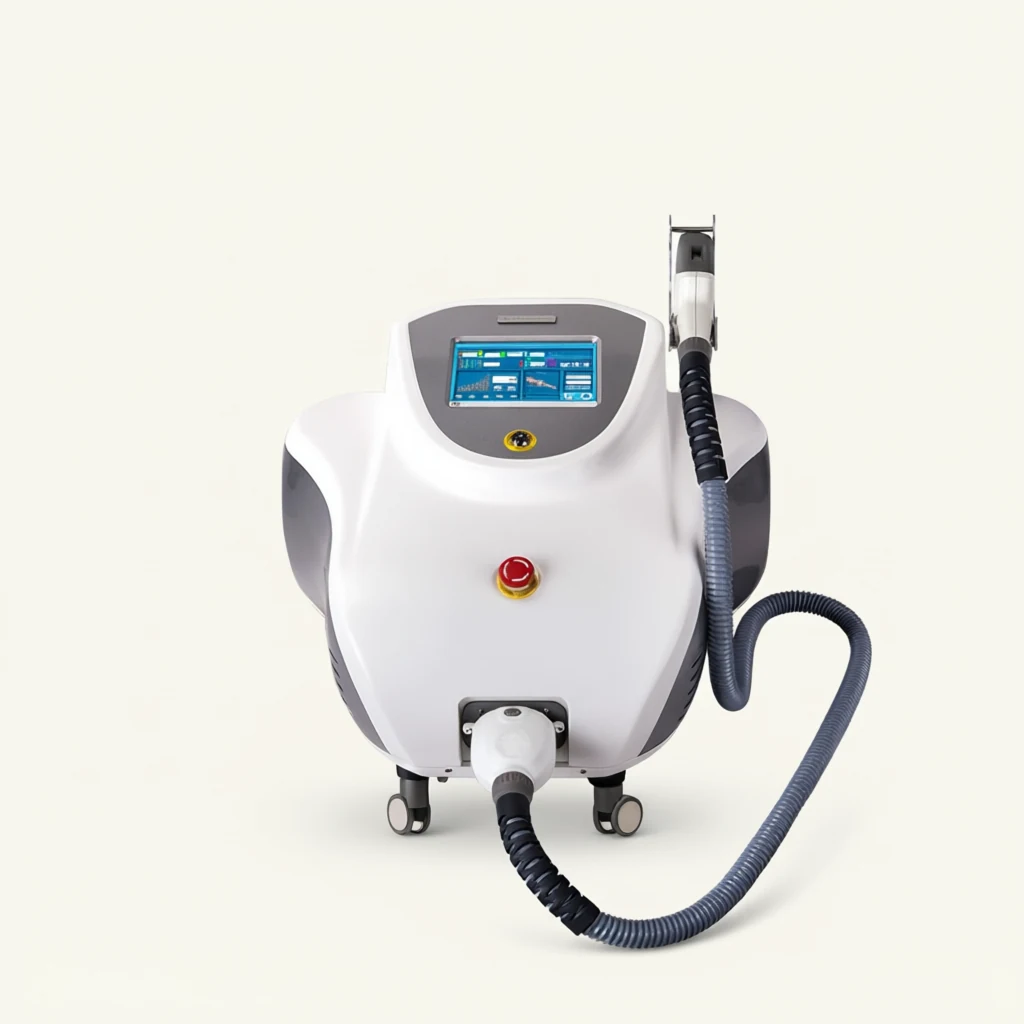
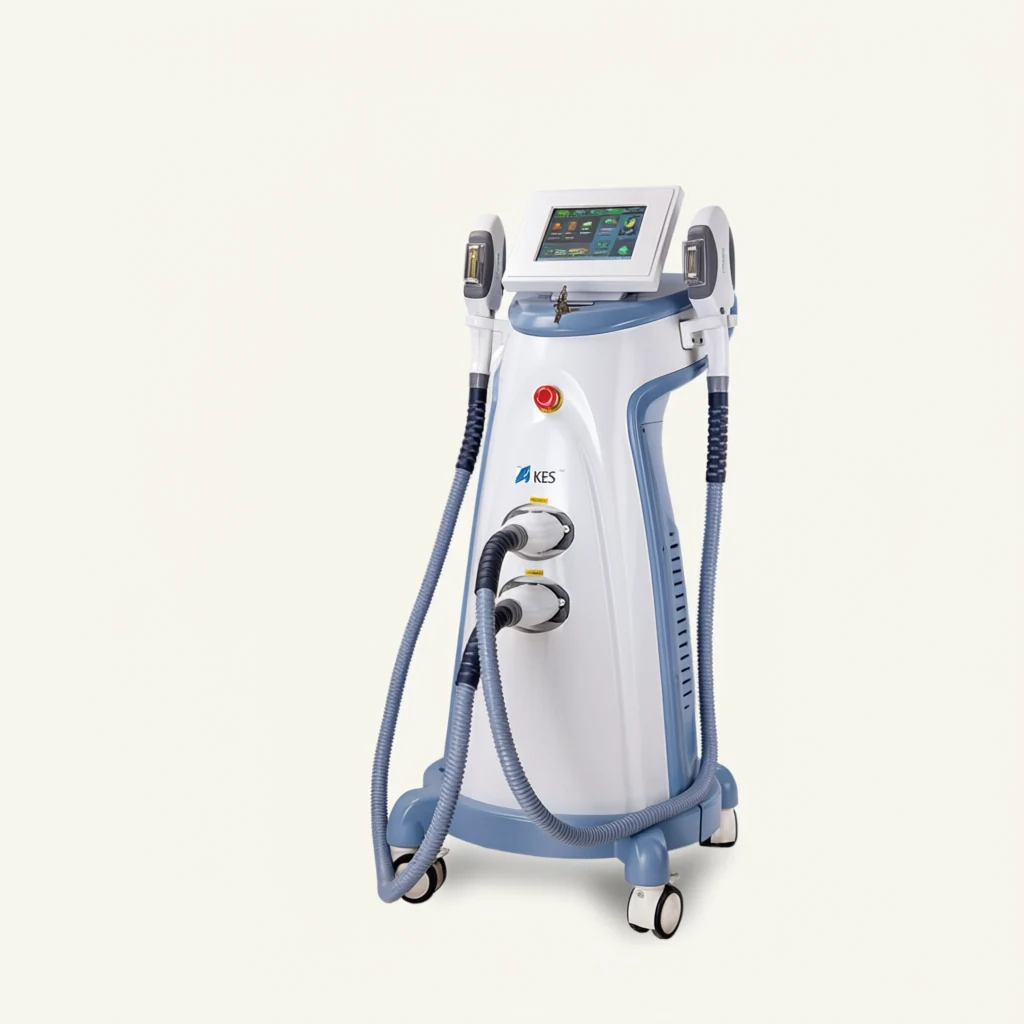
Your next equipment project
Let’s build your shortlist.
Tell us your market, preferred model and configuration questions.